
Monsoon is the Perfect Season for Plantation
Pune was once known as one of India’s greenest and most comfortable cities to live in. The city had a natural balance of urban life and greenery. Tree-lined roads, pleasant weather, cleaner air, and open spaces made Pune feel healthier and calmer compared to many rapidly growing metropolitan cities.
But over the last decade, the city has changed faster than ever before.
Massive urban development, growing residential projects, expanding highways, increasing traffic, and rapid construction have transformed the city’s landscape. Open lands are shrinking, old trees are disappearing, and concrete structures are replacing natural ecosystems every year.
Today, Pune is facing challenges that were once considered problems only for larger metro cities. Rising temperatures, poor air quality, dust pollution, water stress, and shrinking green cover are becoming part of daily life.
People across the city are beginning to notice the difference. Summers feel hotter. Roads feel harsher. Fresh air is becoming harder to experience in crowded urban areas. Even rainfall patterns seem less predictable than before.
This environmental imbalance is no longer a future concern.
It is already happening.
And this is exactly why rainy season plantation drives are becoming one of the most important environmental actions for Pune today.
The Time to Act is Now
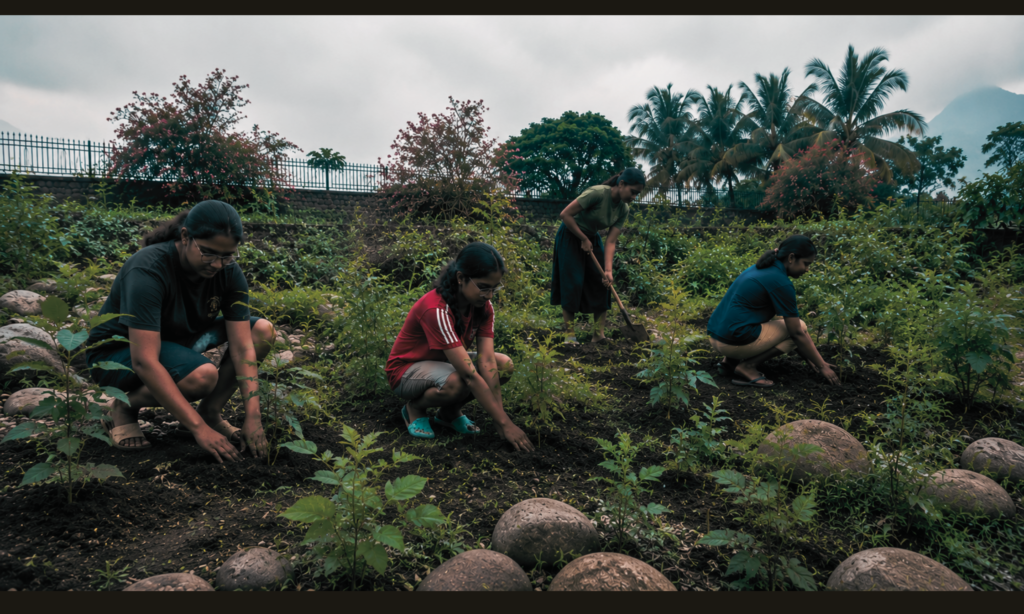
Pune still has the chance to protect the green identity that once made the city feel calm, breathable, and connected to nature. But with every passing year, that balance is slowly fading. More concrete is replacing open land, temperatures are rising faster, and natural green spaces are becoming harder to find in rapidly developing urban areas.
If action is delayed today, the environmental challenges of tomorrow will become far more difficult to reverse.
Every monsoon season gives the city a fresh opportunity to heal itself. The rains bring life back to the soil, making it the perfect time to restore lost green cover and strengthen Pune’s ecological balance. A single plantation drive may seem small in the present, but over time, thousands of healthy trees can completely transform the future of a city.
The saplings planted today are not just plants for the present moment. They are long-term environmental support systems for future generations.
Years from now, these trees may provide shade on roads that currently absorb unbearable heat during summer. They may help cool neighborhoods where temperatures continue rising every year. They may improve air quality in crowded urban spaces where pollution is steadily increasing. They may become habitats for birds and biodiversity that are slowly disappearing from the city.
Most importantly, they may help restore the balance between urban development and nature — something every growing city desperately needs.
A healthy tree can continue supporting the environment for decades. It can silently improve air quality, reduce heat, support rainfall absorption, and make everyday life healthier for thousands of people around it.
This is why plantation is no longer just an environmental activity.
It is an investment in Pune’s future.The best time to plant a tree may have been years ago. The second-best time is now.
Native Trees Can Help Pune Breathe Better Again
When people talk about plantation drives, the focus is often only on planting more trees. But the real question Pune needs to ask today is — what kind of trees are we planting, and will they actually survive in the long run? Many plantation projects fail because trees are selected based only on appearance rather than environmental suitability. Decorative or exotic species may look attractive initially, but they often struggle to adapt to Pune’s climate, require higher maintenance, consume more water, and sometimes fail to survive after a few seasons.
This is where native trees become the real solution for Pune’s environmental future. Native species are naturally designed for the local climate, soil, and rainfall conditions because they have been part of this ecosystem for generations. They grow stronger with less human intervention, survive better during harsh summers and heavy monsoons, and require significantly lower maintenance over time. In a city where water management and long-term sustainability are becoming major concerns, planting native trees is not just environmentally responsible — it is also practical and future-focused.
More importantly, native plantation helps restore the ecological balance that urban development is slowly disturbing. These trees support birds, butterflies, bees, and local biodiversity that depend on natural ecosystems to survive. Instead of treating plantation as a one-day activity, Pune needs to approach it as a long-term environmental solution. Sustainable greening is not about planting random saplings wherever space is available — it is about creating healthy ecosystems that can survive naturally and continue supporting the city for decades to come.
More Companies Are Joining Plantation Drives
In recent years, many companies across Pune have started actively participating in environmental initiatives and plantation drives. Businesses are now realizing that sustainability is no longer just a CSR activity or a temporary trend — it is becoming a long-term responsibility. As the city continues growing rapidly, organizations understand that cleaner air, greener surroundings, and healthier urban spaces directly impact community well-being, employee health, and the future quality of life in Pune.
This growing awareness has encouraged many corporates to support rainy season plantation drives, native tree plantation, Miyawaki forests, urban greening projects, oxygen parks, and society plantation activities. These initiatives are creating more than just greenery — they are helping build environmental awareness and encouraging employees to become part of a meaningful cause that creates visible and long-term impact for the city.
The increasing involvement of companies is undoubtedly a positive step toward building a greener Pune. However, considering the speed of urban development and the environmental challenges the city is facing today, much larger collective action is still needed. Real and lasting change will happen only when more businesses, communities, societies, and citizens come together with a shared vision of protecting Pune’s green future.
Build a Greener Pune with Auras Green
At Auras Green, we believe plantation should create real and long-term environmental impact, not just temporary greenery for a single day. As Pune continues facing rising temperatures, increasing pollution, and shrinking green spaces, the need for responsible plantation has become more urgent than ever. Through our rainy season plantation initiatives, Auras Green works closely with corporates, housing societies, educational institutions, and communities to create meaningful green projects with proper planning, native tree selection, and long-term maintenance support. Our focus is not only on planting trees, but on creating sustainable green spaces that can continue benefiting Pune for years to come.
For Auras Green, every sapling planted represents a commitment toward a healthier and greener future for the city. We understand that real environmental impact happens only when trees survive, grow stronger, and become part of Pune’s long-term ecological balance. That is why Auras Green emphasizes proper plantation planning, post-plantation care, and sustainable growth rather than one-time activities. Together with organizations and communities who share the same vision, Auras Green aims to help Pune breathe cleaner, stay cooler, and reconnect with the greenery that once defined the city.